
Top Casinos That Accept Direct Banking: What to Know
 Available in GB

Bank authorisation, cashier options, transaction costs and withdrawal checks all shape the direct-banking experience.
Table of Contents
- How Open Banking Connects an Online Casino to a Bank Account
- What “Open Banking Casino” Means in Practice
- Instant Deposits, Withdrawals and Bonus Eligibility
- How to Compare Direct-Banking Costs
- Checking Whether a Casino Accepts Direct Banking
- UK Casino Banking: Limits and Card Restrictions
- Payment Methods Alongside Open Banking
- Why a Fast Deposit Does Not Guarantee a Fast Withdrawal
- Direct Banking and GamStop Are Separate Questions
- Keeping Direct-Banking Transactions Straight
- Kaasino Payment Methods for UK Players: GBP Banking Options
How Open Banking Connects an Online Casino to a Bank Account
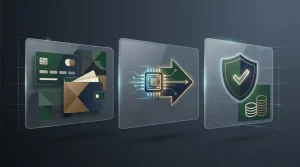
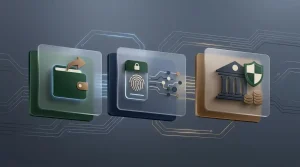
A direct bank payment connects a casino deposit to a bank account, rather than routing it through a card account or a separate e-wallet balance. In an Open Banking payment, the customer authorises a regulated payment service to communicate with their bank for the transaction. The bank remains the account provider; the casino receives the payment through the payment route offered in its cashier.
The practical sequence is straightforward in principle. A deposit is started at the casino, a bank-payment option is selected, and the customer is directed to a bank authorisation step. The bank then confirms the payment request, subject to its own security checks and the account’s available funds. If approved, the payment is sent to the casino. The precise screens and hand-offs depend on the bank and payment service, so “direct banking” describes the route rather than a single identical checkout process.
The key distinction is where the payment instruction begins and which account is charged. With a debit card, the customer enters or selects card credentials and the transaction is processed through the card network and the account linked to that card. With an e-wallet, funds are routed through a wallet account; the wallet is an additional party between the bank and the casino. An Open Banking payment instead uses bank account information and an authorised payment connection to initiate the transfer. It does not require the payment to pass through a card balance or a separately maintained wallet balance.
When considering casinos that accept direct banking, payout timing is one practical detail to check alongside whether the banking option suits you. The list below records the available payout-speed information for each operator.
1. Zombillion
Payout speed: 1-3 business days Zombillion has a stated payout speed of 1–3 business days.
2. SlotoSport
Payout speed: 1-3 business days SlotoSport has a stated payout speed of 1–3 business days.
3. SpinFormula
Payout speed: 1-3 business days SpinFormula has a stated payout speed of 1–3 business days.
4. EvoSpin
Payout speed: 1-3 business days EvoSpin has a stated payout speed of 1–3 business days.
5. NightLuck
Payout speed: 1-3 business days NightLuck has a stated payout speed of 1–3 business days.
6. BeOnBet
Payout speed: 1-3 business days BeOnBet has a stated payout speed of 1–3 business days.
7. WinBeast
Payout speed: 1-3 business days WinBeast has a stated payout speed of 1–3 business days.
8. Revery Play
Payout speed: 1-3 business days Revery Play has a stated payout speed of 1–3 business days.
9. Chanze
Payout speed: 1-3 business days Chanze has a stated payout speed of 1–3 business days.
10. NightWin
Payout speed: 1-3 business days NightWin has a stated payout speed of 1–3 business days.
That difference matters for ownership. The bank account used to authorise a deposit should belong to the same customer who holds the casino account. A payment made using another person’s account can leave basic ownership details inconsistent: the casino account names one person, while the bank instruction identifies another. Matching the account holder and the casino customer reduces the chance of avoidable questions or transaction friction. It is not a substitute for any checks the operator may need to carry out.
A direct payment should not be confused with simply entering bank details into a form. Open Banking involves a permission-based connection for the payment service to initiate a transaction through the bank. The customer’s bank handles its own authentication, and the payment provider transmits the instruction. The exact information shared and the steps required depend on the service and bank. A casino cashier may present this route under a provider name, a bank-payment label or another description, so the route’s underlying function is more informative than its label.
Nor does “direct” mean that the casino has unrestricted access to a bank account. The payment authorisation is for a defined purpose, and the bank remains responsible for the account. The casino is the recipient of the deposit, not the account provider. The customer should still check the amount shown at the payment confirmation stage and ensure it corresponds with the intended casino deposit before authorising it. A payment instruction is a transfer of funds, not merely a saved preference.
Open Banking also differs from a conventional bank transfer in how the payment is initiated. A transfer entered through online banking may require the customer to arrange the payment separately, using details supplied by the recipient. An Open Banking payment can place the bank authorisation step within the casino deposit journey, allowing the payment service to create the instruction from that flow. The money still comes from the bank account; the distinction is the authorisation and initiation route, not a different source of funds.
Kaasino Payment Methods for UK Players: GBP Banking Options
In an online casino context, the route therefore has two linked records: the casino account receiving the deposit and the bank account authorising it. Keeping those records aligned makes the transaction easier to identify if an operator needs to confirm its origin or ownership. Consistent account details also help avoid a mismatch that could otherwise prompt clarification. The payment method does not remove the casino’s responsibility to assess transactions or verify account information where required.
An Open Banking option is not interchangeable with every bank transfer, debit card or e-wallet, even when all ultimately involve money held at a bank. Each route has its own payment provider, authorisation process and account relationship. The cashier’s displayed method determines how a particular deposit is initiated; the bank statement and payment confirmation can help identify the route actually used. A familiar bank logo alone does not establish that a card transaction or an ordinary transfer is an Open Banking payment.
EcoPayz casino sites in the UK: payment checks
For a casino deposit, the relevant test is consequently not whether a bank account appears somewhere in the chain. It is whether the selected payment flow authorises a bank-account payment directly and whether that account belongs to the casino customer. That keeps the distinction practical: a card uses card credentials, a wallet uses a wallet account, and Open Banking uses an authorised connection to the customer’s bank account.
What “Open Banking Casino” Means in Practice
“Open Banking casino” is a convenient label, not the name of one universal casino payment product. It describes a casino payment option that connects a transaction to a bank account through an Open Banking service. The exact name shown in a cashier can vary: it may refer to Open Banking, a bank payment, or a named payment provider. The label alone does not identify every step or term of the transaction.
The useful distinction is the payment relationship. With a bank-linked option, the payment is authorised against a bank account. A card payment uses a card credential, while an e-wallet payment uses a wallet account. Those methods can ultimately be connected to a bank too, but that does not make every card or wallet transaction an Open Banking payment. The route used to authorise and process the casino payment is what matters.
TRON TRX Casino Comparison UK: Licensing and Payments
This is why “casino with Open Banking” should not be read as a promise that the casino offers one particular interface. The cashier may present a third-party service that arranges a bank payment, rather than a button literally labelled “Open Banking”. A service name, such as Trustly, may identify the provider involved; it does not by itself describe all the casino’s payment terms. The transaction should be understood from the method’s description and the instructions displayed when it is selected.
The terminology can also blur the difference between Open Banking and a conventional bank transfer. Both involve a bank account, but a casino may list them as separate options because the payment is initiated or handled differently. A reference to “bank transfer” is therefore not enough to establish that the transaction uses an Open Banking service. Nor does the phrase “pay by bank” necessarily settle the question: it is a plain-language description, not a precise technical specification.
For the same reason, an online casino may accept bank-linked payments without describing itself as an Open Banking casino. The phrase is about a payment route available through the cashier, not a separate kind of casino account or gambling product. It does not say anything by itself about the games, account conditions, or other payment options offered by the site.
The deposit and withdrawal relationship is another practical part of the meaning. A bank-linked deposit identifies an account from which funds are sent to the casino. If a withdrawal is later requested, the casino may apply closed-loop rules and return funds to the original source. Returning money to the original payment source is a common anti-fraud and anti-money-laundering control; using an alternative route can involve further verification. A payment option should not be assumed to support both directions merely because it appears in a deposit menu.
Do
- Use a bank account in your own name
- Use one named account consistently
- Match account holder and casino customer details
Don’t
- Use another person’s bank account
- Use inconsistent ownership details
- Assume a deposit method supports withdrawals
Account ownership matters within that relationship. The bank account and casino account should be in the same customer’s name. A mismatch can make the transaction harder to reconcile, since the payment record then appears to involve different people. Using one named account consistently for deposits and withdrawals is often the cleanest arrangement: the incoming payment and any return of funds point to the same person and source.
This does not mean that every casino will describe its controls in the same way. The interface may separate deposits from withdrawals, or explain that a payment method is available for one direction only. The method’s display name is not a substitute for its stated terms. In particular, the existence of an Open Banking option does not guarantee that it will be the route used for a later payout.
A practical reading of the phrase is therefore narrow: an “Open Banking casino” is a casino whose payment arrangements include a bank-linked route associated with Open Banking. It is not a guarantee of a particular provider, a promise that all bank transfers use the same process, or confirmation that the route works identically for deposits and withdrawals. The transaction is defined by the account and payment method actually selected, and by the terms attached to that method—not by the shorthand used to describe the casino.
Instant Deposits, Withdrawals and Bonus Eligibility
An Open Banking deposit may appear in a casino balance quickly, but the word “instant” describes the payment leg, not every step around it. A specialist review reports that Open Banking payments and bank transfers can provide instant deposits at many sites. That is a qualified description of availability, not a promise that every casino, bank or transaction will behave the same way. The cashier’s stated processing information is more useful than a general label.
Casinos That Accept Dogecoin in the UK: What to Check
The practical distinction is between money reaching the casino and money becoming usable there. A payment can be initiated through a bank-linked service, then accepted and credited by the casino. If each part completes without delay, the balance may be available promptly. A pending payment, a bank-side check or a casino-side hold can interrupt that sequence. A displayed payment option therefore establishes neither a guaranteed credit time nor a guaranteed outcome for an individual transfer.
The same distinction matters when a search is framed around an instant deposit at an online casino. It is reasonable to treat “instant” as a possible deposit experience, not as a service-level commitment. No inference follows about how quickly winnings can be withdrawn. Deposit and payout are separate transactions, and a fast incoming payment does not settle the timing of an outgoing one.
Some specialist reviews also describe Open Banking or bank transfers as supporting fast withdrawals at many sites. That observation remains site-dependent and should not be read as a universal feature of direct banking. The route available for a withdrawal, and the time taken to complete it, may differ from the deposit process. A casino’s use of the same broad banking label does not mean that both directions are processed identically.
Bonuses require a separate check. Payment method can affect promotion eligibility: a casino may set conditions about which deposit routes qualify, even when those routes are available for ordinary deposits. An Open Banking deposit should not therefore be assumed to qualify for a welcome offer, a no-deposit promotion or free spins. The existence of a promotion and the eligibility of a particular payment method are distinct questions.
Attention: An Open Banking deposit may not qualify for welcome offers, no-deposit promotions, or free spins; always check the specific promotion terms.
The terms attached to an offer are the operative document. They can specify eligible payment methods, whether a qualifying deposit is required and what happens when a method is excluded. If the wording does not clearly include direct banking, the presence of that method in the cashier is not evidence that it qualifies. A payment route can work for funding an account while remaining outside a particular promotion.
PayPal illustrates why speed and promotional treatment should not be conflated. A specialist review describes it as popular for speed and convenience, while noting that it may be excluded from bonus eligibility. This is not a fixed rule across casinos or offers; eligibility needs to be checked against the relevant terms. The same logic applies to any payment method: availability, processing and promotion qualification are separate conditions.
For a direct-banking deposit intended to meet an offer’s conditions, the useful comparison is between the method named in the promotion terms and the method selected in the cashier. If they do not match, the deposit may still be processed as a normal payment, but the promotional benefit should not be presumed. A claim that a casino has a no-deposit bonus or free spins also says nothing by itself about direct-banking eligibility. The offer’s own conditions decide that point; the payment label does not.
The financial result is straightforward: quick access to deposited funds has value only as a payment outcome, while a bonus has value only if its conditions are met. Neither should be inferred from the other. A direct-banking option can be available without being promotion-eligible, and a promotion can be advertised without confirming that a particular deposit route qualifies.
Casinos That Accept Litecoin in the UK: What to Check
How to Compare Direct-Banking Costs
A direct bank payment has no single cost attached to it. The total can be made up of separate charges from the casino, the payment provider, the bank or card issuer, currency conversion and the payment network. A specialist payment review identifies these as possible parts of the calculation, not charges that apply to every transaction.
The useful comparison is therefore the amount that would leave the bank account and the amount credited to the casino balance. Any difference needs to be explained by the applicable fees or exchange rate. A route advertised as having no visible casino charge is not necessarily cost-free: another party may apply a fee, or conversion may affect the final amount.
Separate visible fees from conversion costs
A flat charge is easy to spot, but it is only one line in the calculation. The exchange rate can include a spread: the rate used for the transaction may be less favourable than the reference rate used to assess the currency value. A specialist review of payment costs notes that this spread can exceed a clearly stated flat fee. The comparison should therefore include the rate, not just the fee shown beside the payment option.
Currency matters when the casino balance and the bank transaction are not in the same currency. A GBP account can avoid one source of conversion only if the payment and casino account are both handled in GBP; if either side converts the transaction, the resulting rate and any related charge affect the net cost. A displayed balance alone does not establish which rate will be applied.
Compare the same transaction
Payment routes are comparable only when the amount and currency are held constant. For a particular deposit, add any casino charge, provider charge, bank or issuer charge, conversion cost and network cost that applies. Then compare the resulting total across the available routes. A method with a lower stated fee may cost more after currency spread or another charge is included.
A method with a lower stated fee may actually cost more after currency spread or other hidden charges are included.
The calculation also depends on who applies each charge. A casino’s cashier may display its own fee, while the provider or bank may set separate terms. Those costs should not be treated as interchangeable: an absent casino fee does not confirm that the provider or bank will charge nothing.
There is no universally cheapest payment method. A specialist review of transaction costs reaches that conclusion because the final figure depends on the actual amount, the applicable charges and any conversion. For a casino that accepts direct banking deposits, the label describes the route, not a guaranteed price advantage. The same comparison should be made against other methods using the same transaction value and currency.
The practical result is a net-cost comparison, not a ranking based on a fee headline. If the rate, fee or charging party is unclear, the total cannot be compared reliably. Cost claims are useful only when they describe the complete transaction rather than one visible component.
Checking Whether a Casino Accepts Direct Banking
A payment-method label on a landing page is a starting point, not confirmation that the route is available to a particular account. For a casino with direct banking, the decisive check is the cashier after sign-in: the deposit screen should show the bank-linked option, and its terms should identify any account or location restrictions. Payment menus can change, so a general page or older comparison may not reflect what is currently enabled.
The wording also matters. “Bank transfer”, “instant bank payment” and “Open Banking” may describe different routes, rather than interchangeable names for one service. The cashier should make clear which method is being selected and what the transaction requires. If the label is unclear, the operator’s payment terms or support channel can clarify whether it means a direct bank connection, a conventional transfer or another intermediary.
Casinos That Accept Wirecard in the UK
Check the deposit and withdrawal routes separately
A method displayed for deposits is not automatically available for withdrawals. Before funding an account, check the cashier’s withdrawal options and the relevant payment terms as well. A method should be treated as a complete payment route only when both directions are supported for that account. Where withdrawals are handled differently, the alternative route and any verification requirements should be clear before a deposit is made.
This check is about the actual account, not just the casino’s general payment list. Availability can depend on the account’s location, status or selected payment route. If an option appears only after a particular selection, or is absent from the cashier, a broad statement elsewhere does not establish that it can be used for the transaction in question.
The same verification applies to cards. Specialist casino reviews may list Visa and Mastercard, but current availability in the UK and eligibility of a particular card product need to be checked in the cashier. A logo on a page does not confirm that every card or account can use that route.
Confirm the account currency before the first payment
GBP support is mentioned in specialist casino reviews, but the casino account’s own currency setting should be confirmed before the first transaction. A payment can be accepted while still being converted if the account is denominated in another currency. That creates a different transaction from one in which the casino account and the payment are both handled in pounds.
Confirming Currency
- Confirm the currency assigned to the casino account
- Check the currency shown on the deposit screen
- Verify if the payment route will convert funds
- Record the method and currency at the point of confirmation
The useful check is therefore not simply whether GBP appears somewhere on the site. Confirm the currency assigned to the casino account, the currency shown on the deposit screen and whether the payment route will convert funds. If any of these details conflict, pause before submitting the payment and obtain clarification through the operator’s stated support channel.
Record the method and currency shown at the point of confirmation. That gives a clear reference if the cashier’s display changes or a transaction is later queried. The practical test for casinos that accept Open Banking is account-specific: the option must appear in the live cashier, its transaction terms must be clear, and the currency must be understood before funds are sent.
UK Casino Banking: Limits and Card Restrictions
Banking conditions at UK casino sites are shaped by two different controls: the payment product used and the limit set by the operator. A direct-banking option does not remove either. Debit cards remain a commonly accepted way to fund casino accounts, including Visa and Mastercard, but availability depends on the particular card and the cashier’s current terms.
Credit-card payments for gambling are not an alternative. The regulator introduced the ban on 14 April 2020, and it remains in force. It applies to remote gambling operators, including where a credit-card payment is routed through a money service business. A digital wallet cannot be used to get around the restriction if it allows credit-card funds to be used for gambling. The relevant distinction is the source of the money, not simply the label shown at checkout.
Casinos That Accept Bitcoin in the UK: What to Check
Debit and credit cards can look similar in a banking app, but they are not interchangeable for this purpose. A debit card draws on funds held in an account; a credit card provides borrowing. Casinos operating under UK rules cannot accept credit-card payments for gambling, so a card that appears in a wallet or payment menu still needs to be eligible for that transaction. The cashier’s displayed methods should be read alongside the card issuer’s product terms.
Deposit thresholds are not uniform across the market. One specialist casino review places the lower end of minimum deposits at £10–£20, with the exact figure dependent on payment method. That is a reported range, not a fixed UK-wide tariff: the casino and selected route determine the amount shown at the point of payment. A direct-banking casino may therefore set a different entry amount from one accepting a card, even when both serve the same market.
Maximum deposits also depend on more than the operator’s general account terms. A payment route may have its own transaction ceiling, while the casino can apply separate daily or monthly restrictions. Account status can affect the limit available as well. A specialist review describes these caps as variable by method and account status, so a headline maximum should not be treated as an amount available to every customer or for every transaction.
These differences matter when comparing direct banking with card funding. The practical amount that can be deposited is the lowest applicable limit across the casino, the payment method and the customer’s account. A route that appears suitable in general may not support the required transaction size, while a card accepted by the casino may still be restricted by its issuer or product type.
Credit Card Ban
UK regulations ban the use of credit cards for gambling, including payments routed through money service businesses or digital wallets.
UK remote gambling operators must also ask new customers to set a financial limit before the first deposit and make account-level limit controls accessible. This is a separate safeguard from payment-method caps: one is a personal gambling control, while the other governs what can pass through an account or payment route. The two limits can apply at the same time.
Payment Methods Alongside Open Banking
An Open Banking casino payment method is one option among several ways to fund an account. Cards, e-wallets and prepaid vouchers serve different purposes, so their value depends on whether the priority is familiar payment handling, separating spending from a bank account, or having a route that can also receive a withdrawal.
Debit cards remain a familiar alternative in the UK, where casinos commonly accept Visa and Mastercard. Acceptance is not universal for every card or product, however, and the cashier determines what is currently available. Some UKGC-licensed casinos also offer Apple Pay for deposits. Its presence in the deposit menu does not establish that it can be used for withdrawals; that capability needs to be confirmed separately before treating it as a complete payment route.
E-wallets add another layer between a bank account and a casino account. Skrill and Neteller are available at some sites, but a specialist casino review may report that either is excluded from a promotion. That is a site-specific condition, not a reliable rule for every offer. The promotion’s own terms should state whether the chosen method qualifies. Specialist reviews of UK-facing casinos describe Skrill as a common deposit method in 2026, though availability still varies by operator.
Paysafecard has a narrower role: it is a prepaid voucher for deposits only. It cannot serve as the destination for a casino withdrawal, so it is not a two-way alternative to a bank-linked route. That limitation matters when comparing methods by more than the point at which money enters the account.
Casino Sites That Accept Jeton in the UK
The practical comparison is therefore not simply Open Banking against a list of brands. A method may be deposit-only, unavailable at a particular cashier, or subject to promotion exclusions. For a workable payment arrangement, both deposit and withdrawal support need to be checked, along with any offer-specific restrictions. A method appearing in a general payment list is not proof that it can complete both sides of the transaction.
Why a Fast Deposit Does Not Guarantee a Fast Withdrawal
A direct banking deposit can reach a casino account quickly, but that only describes the incoming payment. A withdrawal has a separate sequence: the casino reviews the request, confirms that the account and funds meet its requirements, and sends the approved payment through an eligible route. The deposit speed does not set the duration of those later steps.
The casino’s internal approval is part of the withdrawal process. A first payout can take longer if KYC checks are still outstanding or the operator needs to confirm account details. A specialist review identifies internal processing and first-withdrawal verification as factors that can extend the wait; the time taken therefore depends on the account and the casino’s handling, not just the banking method.
Payout routing can also differ from deposit routing. UK anti-money laundering controls generally require winnings to be returned to the original payment source. This return-to-source approach is a closed-loop control, not a promise that the payment will arrive as soon as the casino approves it. If an alternative route is needed, additional checks may apply before it can be used.
That distinction matters when comparing claims about a fast withdrawal through Open Banking. A specialist review places Open Banking services, PayPal and debit cards connected to fast payout systems among the quicker options, but this is a comparison of payment routes, not a guaranteed arrival time. The casino’s approval stage still comes first, and the bank or payment service must then process the transfer.
Diners Club at UK Casinos: Payments and Bonus Rules
A useful estimate therefore separates the stages rather than treating “instant” as a single outcome: casino review, any outstanding verification, and delivery by the receiving provider. The cashier’s stated processing terms describe the operator’s part; they do not necessarily cover the full time until funds appear in the bank account. A quick deposit confirms only that the incoming route worked. It says nothing conclusive about how soon a later withdrawal will be approved or delivered.
Direct Banking and GamStop Are Separate Questions
A casino’s payment menu does not establish whether it participates in GamStop. Direct banking describes a way to move money between a bank account and a gambling account; GamStop concerns self-exclusion. They answer different questions, even when both appear in searches for an instant-banking casino not on GamStop.
The phrase “non-GamStop direct banking casino” therefore combines two separate attributes. A site may offer a bank-linked payment route, but that fact alone says nothing about its self-exclusion arrangements. Equally, a payment option cannot confirm whether a particular operator is covered by GamStop. The operator’s own information and the relevant self-exclusion service must be checked separately; a cashier listing is not evidence of either.
Direct banking should not be treated as a route around a self-exclusion decision. Switching from a card or wallet to a bank-linked method does not change the purpose of that decision. Where gambling has been excluded, looking for another payment route does not resolve the underlying restriction.
Account-level controls are separate again. UKGC rules require remote gambling operators to prompt new customers to set a financial limit before their first deposit and to make limit controls accessible within the account. These controls concern the account’s gambling settings; they do not identify a payment method as a self-exclusion tool.
Casinos That Accept E-Checks in the UK: What to Check
For UK play, payment choice and regulatory status should also remain distinct checks. A bank transfer does not prove that a casino is authorised to serve customers in Great Britain, just as a statement about GamStop does not verify its licence. Each claim needs its own confirmation.
Keeping Direct-Banking Transactions Straight
A consistent account trail makes casino banking easier to reconcile. The account details and payment route should belong to the same customer, and the same named account is often the cleanest choice for both deposits and withdrawals. Matching those basic details reduces the chance that an ownership discrepancy creates avoidable questions or delays around a transaction.
Changing accounts between payments can make the trail harder to follow. A deposit from one account followed by a request to withdraw through another may require the casino to establish who controls each route. That does not mean every change will cause a problem; it means the payment record is less straightforward than it needs to be.
For a direct-banking casino, consistency starts with the account registered in the player’s own name. Any difference between the registered details and the bank account details is worth resolving before a transaction is made. A clear record also helps when checking a deposit against the bank statement or identifying which account was used.
This is a practical control, not a promise about processing time or approval. Casinos can still apply their own checks, and the payment route available for a particular transaction may depend on the cashier’s terms. Keeping one named account in use where possible simply avoids adding an unnecessary ownership mismatch to that process.
The useful standard is uncomplicated: one customer, one clearly identified account, and a consistent route for deposits and withdrawals. In direct banking, tidy records are not decoration; they reduce ambiguity in the transaction trail.
Why must withdrawals return to the deposit method?
Returning funds to the original payment source is a common anti-fraud and anti-money-laundering control. Using the same customer-owned account for deposits and withdrawals can also reduce avoidable ownership checks.
What is the fastest withdrawal method for UK casinos?
PayPal, Open Banking services and debit cards linked to fast payout systems are generally among the quickest. The casino’s approval process and your verification status also affect how soon funds arrive.
Are fast casino withdrawals guaranteed?
No. Withdrawal speed depends on the casino’s internal approval and whether your account is fully verified; first withdrawals can take longer while verification is completed.
Do UK casino withdrawals require verification?
Verification may be needed, and first withdrawals can take longer while checks are completed. Keeping payment and casino account details aligned can help avoid ownership-related friction.
Which payment methods are accepted in Great Britain?
UK casinos commonly accept Visa and Mastercard debit cards, and many offer bank transfers or Open Banking payments. PayPal, Skrill and Neteller are available at some sites; Paysafecard is for deposits, and some UKGC-licensed casinos accept Apple Pay.
Are Visa and Mastercard deposits definitely debit cards?
Not necessarily; check the card’s product eligibility and the casino cashier. Credit-card gambling has been banned by the UK regulator since 14 April 2020.
Can I deposit in GBP?
Yes, GBP is supported. Confirm your casino account currency before your first transaction to avoid conversion.
Kaasino Payment Methods for UK Players: GBP Banking Options
Kaasino Deposits: Cards, Wallets, Bank Transfer and Crypto
Kaasino UK Guide Kaasino supports Visa, Mastercard and bank transfer, while Apple Pay and Google...
Kaasino Withdrawals and Cashouts: Verify Before Requesting
Kaasino UK Guide Kaasino supports Visa, Mastercard, bank transfer and cryptocurrency, including Bitcoin and Ethereum....

Anonymous Crypto Casinos in the UK: How They Work
A practical look at crypto payments, identity checks, bonus conditions and the UK rules that...

BNB Casino Comparison UK: Rules and Payment Checks
The distinction between UKGC licensing and offshore availability shapes what BNB payment claims can establish....

Bitcoin Cash Casino Comparison in the UK
The guide separates UK-licensed gambling from offshore BCH payment options and explains deposits, withdrawals, bonus...

Cardano ADA Casino Comparison: UK Licensing Rules
Accepting ADA means accepting cryptocurrency for gambling; describing it as a wallet transfer does not...

UK Casino Sites and Credit Card Payments: The Rules
UK licensing rules prohibit credit-card gambling payments, while other funding methods depend on the operator's...

UK Casino Sites That Accept Debit Cards
Card acceptance depends on the casino, payment processor, card network and issuing bank, so a...

EcoPayz casino sites in the UK: payment checks
Availability can vary by account, so the live cashier—not a general payment page—is the practical...

Casino Sites That Accept Jeton in the UK
Jeton is available at only a limited number of UK casinos, and cashier options can...

UK casino sites that accept Skrill: payment guide
Skrill availability, charges, account currency and withdrawal rules can vary by casino, so the cashier’s...

Casinos That Accept Apple Pay in the UK: What to Check
Apple Pay is a digital wallet, while Boku charges a mobile bill or uses prepaid...

Casinos That Accept AstroPay in the UK: What to Check
AstroPay availability, bonus eligibility and the full cost of a deposit are separate checks, with...

Casinos That Accept Bank Cheques in the UK
A Boku listing does not prove a casino accepts bank cheques; the two payment routes...

Casinos That Accept Bank Transfers in the UK
Bank transfers and Pay by Phone are separate methods; only the casino cashier can confirm...

Casinos That Accept Bitcoin in the UK: What to Check
Bitcoin availability can depend on the account, cashier options and payment conditions, so general claims...

Casinos That Accept Boku in the UK: Payment Guide
Boku deposits depend on casino settings and mobile-account limits, while bonuses, slot terms and withdrawals...

Casinos That Accept CashToCode in the UK: Payment Guide
Learn how to verify cashier availability, assess bonus eligibility, and understand why deposits and withdrawals...

Casinos That Accept Citadel in the UK: What to Check
Citadel availability depends on the account cashier, while card rules and the original payment route...

Casinos that accept Click2Pay in the UK: what to check
A casino’s displayed payment options are the clearest account-specific evidence, while card logos and general...

ClickandBuy Casinos in the UK: Payment Checks
ClickandBuy acceptance depends on the casino cashier, while promotions may exclude a payment route even...

Casinos That Accept Debit Cards in the UK
Learn how card acceptance, bank controls, fees, deposit limits and withdrawal handling affect casino payments....

Diners Club at UK Casinos: Payments and Bonus Rules
Casino payment information and promotion terms answer different questions, so card availability alone cannot confirm...

Casinos That Accept Dogecoin in the UK: What to Check
Dogecoin support, cashier listings and bonus eligibility are separate conditions, each requiring confirmation in the...

Casinos That Accept E-Checks in the UK: What to Check
E-check availability can vary by market and account, so a general payment mention does not...

Casinos That Accept E-Cheques in the UK: What to Check
Learn how e-cheques differ from bank transfers and open banking, and what to verify about...

Casinos That Accept Entropay in the UK: How to Check
A casino’s signed-in cashier shows the deposit methods currently offered for an account; general payment...

Casinos That Accept Ethereum in the UK: Payment Checks
Crypto-friendly wording alone does not confirm ETH support; payment routes, limits, eligibility and processing terms...

Casinos That Accept E-Wallets in the UK
E-wallet availability, bonus rules, return-to-source handling and fees can all affect how a casino payment...

Casinos That Accept Giropay in the UK: Payment Rules
Giropay availability, bonus eligibility and payout rules are separate questions, so check the casino’s terms...

Casinos That Accept Google Pay in the UK
Payment availability, bonus eligibility and the cashier’s listed options are separate checks when choosing a...

Casinos That Accept iDEAL in the UK: Payment Guide
iDEAL availability is only one factor: payment eligibility, account controls and withdrawal rules also shape...

Casinos That Accept Instadebit in the UK: Payment Terms
Instadebit availability, bonus eligibility and transaction conditions are separate checks, alongside verification and withdrawal timing....

Casinos That Accept Interac in the UK: What to Check
Interac labels, slot listings and promotions answer different questions; payment eligibility depends on the casino’s...

Klarna at UK Casinos: Deposits and Bonus Rules
Klarna may appear as a payment route without making a deposit bonus-eligible; availability and promotion...

Casinos That Accept Litecoin in the UK: What to Check
Litecoin acceptance, game availability and promotion terms are separate claims that need confirmation in the...

Casinos That Accept Maestro in the UK: What to Check
Slot access, card acceptance and withdrawals are separate checks, and a listed debit-card option does...

Casinos That Accept Mastercard in the UK
A Mastercard funds the casino balance, while slot rules remain separate; acceptance depends on both...

Casinos That Accept MiFinity in the UK
Payment availability, promotion terms and withdrawal checks are separate considerations when using MiFinity at an...

Casinos That Accept Monzo in the UK: Deposit Rules
Monzo acceptance does not guarantee bonus eligibility, while Boku deposits and withdrawals follow separate payment...

Casinos that accept MuchBetter in the UK: what to check
MuchBetter availability, bonus eligibility, slot contribution, verification and return-to-source rules are separate conditions to confirm....

Casinos That Accept NeoSurf in the UK: Deposit Checks
Cashier availability, bonus eligibility and withdrawal rules are separate checks, and payment options may vary...

Casinos That Accept Neteller in the UK: Bonus Rules
Neteller availability does not guarantee bonus eligibility; payment terms, cashier support and return-to-source withdrawals need...

Casinos That Accept Boku Payments in the UK
Direct Boku availability is limited, and deposits cannot be withdrawn through the same payment route....

UK Casinos That Accept Boku Pay-by-Phone Deposits
Boku availability and bonus eligibility depend on each operator’s terms, and a separate withdrawal method...

Casinos that accept POLi in the UK: what to check
POLi availability, banking alternatives, card eligibility and withdrawal checks are separate from slot access and...

Casinos That Accept Revolut in the UK: Deposits
Casino cashier availability, promotion rules and withdrawal checks can affect whether a Revolut-funded deposit is...

Casinos That Accept Ripple XRP in the UK
Payment listings, account terms and game availability are separate, so a general crypto reference cannot...

Casinos That Accept Siru Mobile in the UK
Siru Mobile, Fonix and Boku are separate options, and a phone-billed deposit does not provide...

Casinos That Accept Solana in the UK
Solana must be available in the account’s deposit cashier; general crypto claims and bonus terms...

Casinos That Accept Tether in the UK: Payment Guide
Tether availability can vary by account, and deposit support does not confirm a matching withdrawal...

Casinos That Accept Ukash in the UK: Payment Guide
Ukash availability can vary, so compare the casino’s listed deposit methods with each route’s eligibility...

Casinos That Accept Upaycard in the UK: What’s Confirmed
A card-payment listing alone does not establish Upaycard compatibility, so deposits and account options need...

Casinos That Accept USDC in the UK: Payment Guide
USDC acceptance, slot availability and bonus eligibility are separate questions, while deposits and withdrawals may...

Casinos That Accept Visa in the UK: Debit Rules
Visa acceptance can indicate a deposit route, but it does not establish card eligibility, bonus...

Casinos That Accept WebMoney in the UK
Payment availability, casino account status, bonus terms and withdrawal options are separate questions when assessing...

Casinos That Accept Wire Transfers in the UK
Conventional bank transfers and open-banking payments both use bank accounts, but they are separate methods...

Casinos That Accept Wirecard in the UK
A listed card method does not confirm acceptance of a specific Wirecard product or make...

Casinos That Accept Zimpler in the UK
Zimpler concerns account transactions; it does not determine a casino’s slot catalogue, game rules or...

Instant Bank Transfer Casinos UK: Payment Terms
General payment comparisons cannot confirm current availability; the casino’s live cashier shows which bank transfer...

iPad Casinos UK: Access, Payments and Terms
Device compatibility does not settle whether a casino is permitted or how its cashier handles...

Mobile top-up casino deposits in the UK
A phone can be the payment channel, but the casino’s cashier and account conditions determine...

Online Casinos That Accept SMS Deposits: How It Works
Pay by SMS uses mobile billing to fund a casino balance; it is a deposit...

Pay by Mobile Casinos UK: Deposits and Limits
Payforit funds an account, while mobile describes where slots are played; the distinction shapes payment...

Pay by Phone Bill at UK Casinos: Deposits and Limits
Learn how phone billing is charged, where to confirm acceptance, and why a deposit does...

Pay by Phone Casinos UK: Deposits and Limits
Payforit uses SMS confirmation to authorise deposits, which are charged to a contract bill or...

Payforit Mobile Casinos UK: How Deposits Work
Payforit routes casino deposits through a mobile payment, while cashier limits and withdrawal options affect...

TRON TRX Casino Comparison UK: Licensing and Payments
A site accepting TRX may be available in Britain, but access alone does not establish...

UK Crypto Casinos Without KYC: Rules for 2026
The operator’s licence—not its payment coin—determines UKGC status, while crypto deposits and email-only sign-up leave...
































































































































































































































































